Guides
Junk removal winter operations in Canada: snow, salt, and scheduling
Junk removal winter operations Canada means snow depth, wind chill, salt and snow-clearing bylaws. A 15 cm curb limit rules out open trailers.
What to take away
- Junk removal winter operations in Canada are controlled by snow depth and wind chill, not by truck cubic metres.
- A workable cut-off is a wind chill below -25°C or more than 15 cm of fresh snow on an unplowed curb.
- Open-bed trailers, same-day curbside pickups and long ladder work are ruled out in those conditions.
- Salt corrosion and municipal snow-clearing bylaws change where a load can wait before the crew arrives.
- Stop the workaround when a snow route parking ban is declared or when digging out the curb takes more than one hour.
The measurable limit: snow depth and wind chill
The hard constraint for junk removal winter operations Canada is not the air temperature alone. It is the combination of wind chill and unplowed snow. A crew can keep working at -15°C with low wind if the curb is clear.
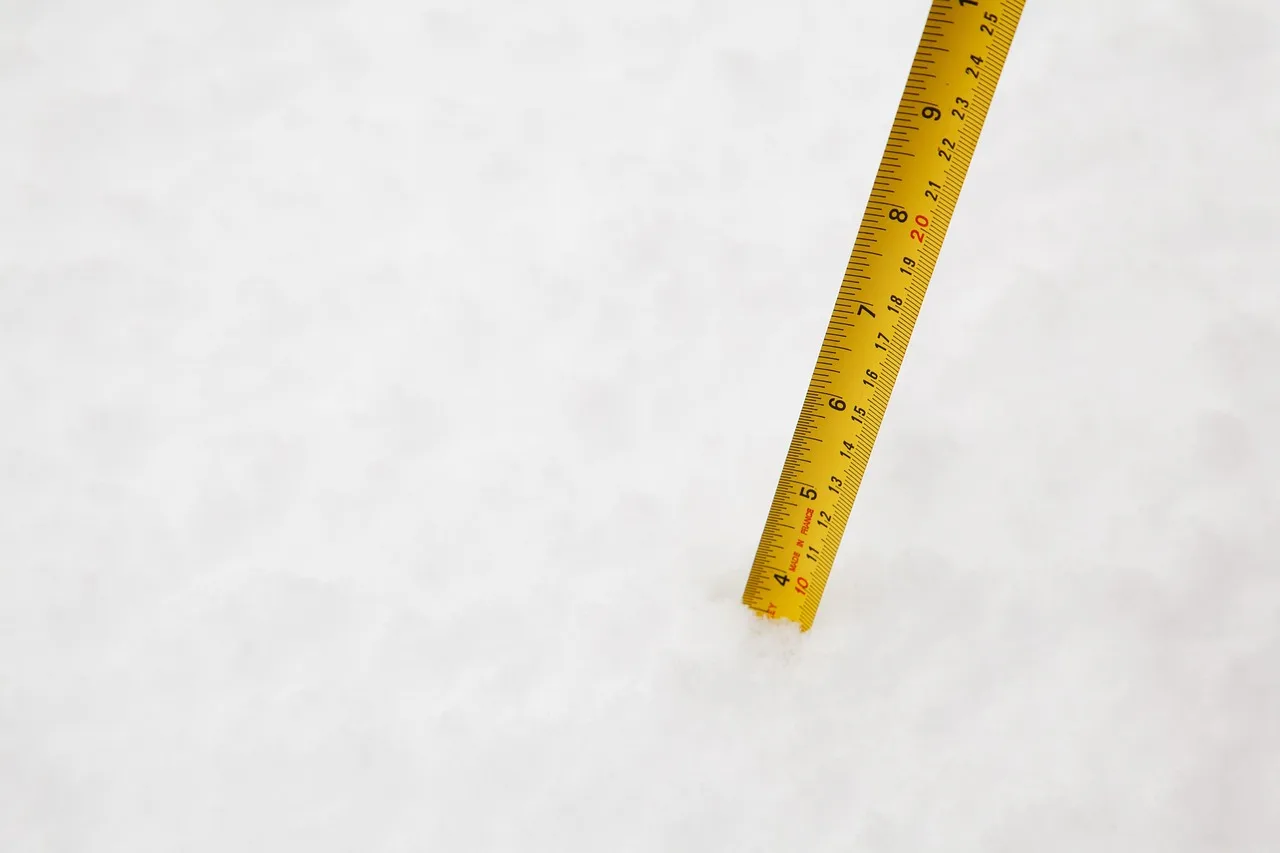
But a wind chill below -25°C, or more than 15 cm of fresh snow on a residential street, changes the job. Cold weather junk removal means planning around snow removal bylaws as much as around truck capacity.
The measurable limit
| Condition | Measured limit | What it rules out |
|---|---|---|
| Wind chill | Below -25°C | Hydraulic fluid thickens, lift gates slow, crew exposure unsafe |
| Fresh snow on an unplowed curb | More than 15 cm | Curb hidden under the plow ridge, no safe spot to lower a gate |
| Snow route parking ban | Declared by the city | Curbside staging stops and a load can be towed |
Winter limits and what they rule out
Condition
- Wind chill
- below -25°C
- Fresh snow on curb
- more than 15 cm
- Snow route parking ban
- declared by city
Measured limit
- Wind chill
- open-bed trailer loads
- Fresh snow on curb
- same-day curbside pickup
- Snow route parking ban
- leaving truck at curb
What it rules out
- Wind chill
- Fresh snow on curb
- Snow route parking ban
That limit is not about comfort. It is about traction, hydraulic performance and how long a two-person crew can safely stand on ice. Below -25°C wind chill, hydraulic fluid thickens and rear lift gates move slowly. Above 15 cm of fresh snow, the curb disappears under the plow ridge.
What the constraint removes
Open-bed trailers are the first casualty. A dump trailer without a tarp turns a load of old furniture into a snow-filled block. Rear lift gates freeze, and the rubber seals harden. Same-day pickups after a heavy snowfall disappear because the curb is gone.
For crews in Regina or Saskatoon, winter operations add blowing snow that fills a half-loaded truck in minutes.
Long ladder work is also out. A two-person crew cannot safely carry a wardrobe down an icy driveway. Anything that needs more than ten minutes on an unshovelled slope is out.
What still works
Enclosed box trucks with winter tires still work. Crews can load from a cleared driveway if the customer has shovelled a path. Small loads of metal, rigid plastic and bagged household waste can go in a covered trailer. Winter equipment junk removal does not have to mean new trucks. It means covering the load and keeping the hydraulics warm.
A numbered pre-trip check helps:
Winter pre-trip truck check
- Clear snow from roof, mirrors, rear camera
- Warm hydraulic lift for five minutes
- Test lift gate on a light load
- Keep load dry and truck warm
- Clear snow and ice from the lights, mirrors and camera lenses.
- Start the power unit early and let the hydraulic fluid warm before the first lift.
- Check that the rear lift gate seal is not frozen to the frame.
- Check tire tread and cold pressure, and confirm the route against city snow bans.
The same lifting and safety rules apply on ice, but the margin for a strained back shrinks.
Salt, tires and undercarriage care
Salt is the cheapest compromise. A bucket of road salt before and after a job keeps the truck path walkable. But salt corrodes steel bodies and brake lines. Washing the undercarriage weekly in winter slows that damage.
Winter tire rules by province
- December 1 to March 15Quebec winter tire mandate enforced in Montreal
- Designated mountain highwaysBritish Columbia requires winter tires
- No legal requirementOntario crews use winter tires as a compromise
Montreal enforces the Quebec winter tire mandate from December 1 to March 15. British Columbia requires winter tires on designated mountain highways. Ontario crews are not legally required to use winter tires, but they are the compromise that keeps a loaded truck from sliding into a parked car.
The compromises that are not worth it
Using a tarp instead of an enclosed box is not worth it below -15°C. The tarp freezes to the load and tears when you pull it off. Working past a snow route parking ban is not worth the tow.
Snow route parking bans are municipal. Toronto bans parking on designated routes once clearing starts, and Montreal tows from routes marked by flashing orange lights. Winnipeg runs an annual snow route parking ban from December 1 to March 1. Crews in Toronto or Montreal need Municipal bulky-item bylaws before assuming a snowbank spot is legal.
Snow does not reduce the tipping fee. It only changes who can reach the curb.
Waste handling under Environment and Climate Change Canada's waste management overview does not pause for frost. In Ontario, Regulation 232/03 under the Environmental Protection Act sets the framework for solid waste disposal. Gate fees stay the same in a blizzard.
Weight still decides the bill at the transfer station, so a snow-soaked load of upholstered furniture costs more to tip than the same load dry.
Labour is where winter changes a quote. Many Canadian junk removal companies add a winter surcharge instead of raising the gate fee. A typical winter surcharge runs 10 to 20 percent on top of the standard quote, but treat that as a typical band, not a published rate.
Distance, the amount of snow to clear and whether the load needs an enclosed box set the final number. Digging out a plowed-in curb adds a typical 20 to 40 minutes before the first lift.
Example: a February pickup in Winnipeg
A customer books a two-sofa removal for 10 a.m. The overnight snow measured 18 cm on the street, and the wind chill was -28°C. The crew calls the customer at 8 a.m. The driveway has not been plowed and the curb sits under a ridge. The job moves to Thursday, after the city plow has passed.
When to stop and do it properly
Stop the workaround when the city declares a snow route parking ban with towing. Stop when the customer has not cleared the path. Stop when the wind chill stays below the cut-off for more than four hours. At that threshold, the truck is not the limiting factor. The crew is.
Reschedule the job and return with the right equipment: an enclosed box, winter tires and a powered salt spreader. Ontario crews should still factor in disposal fees in Ontario because transfer stations do not reduce gate rates for snow delays.