Guides
Winter operations for junk removal crews in the Prairie provinces
Frozen ground, buried items and eight-hour daylight windows reshape Prairie junk removal routes, quotes and crew pace from November to March.
What to take away
- Winter costs land in three placesdriving on ice, freeing frozen items, and slower disposal.
- Alberta OHS, Saskatchewan's labour ministry and Manitoba Workplace Safety and Health set the workplace rules.
- Calgary has about eight hours of usable light at the solstice. Saskatoon and Winnipeg have less.
- Quote from cycle time. A fifteen minute summer pickup can run forty five minutes in January.
- Typical Prairie commercial tipping runs about CAD 100 to 160 a tonne.
What winter adds to a Prairie job
Frost can hold a sofa on a lawn like a bolted fixture, and a freezer in a back lane can sit buried to the lid. Neither can be quoted from a picture taken in October.
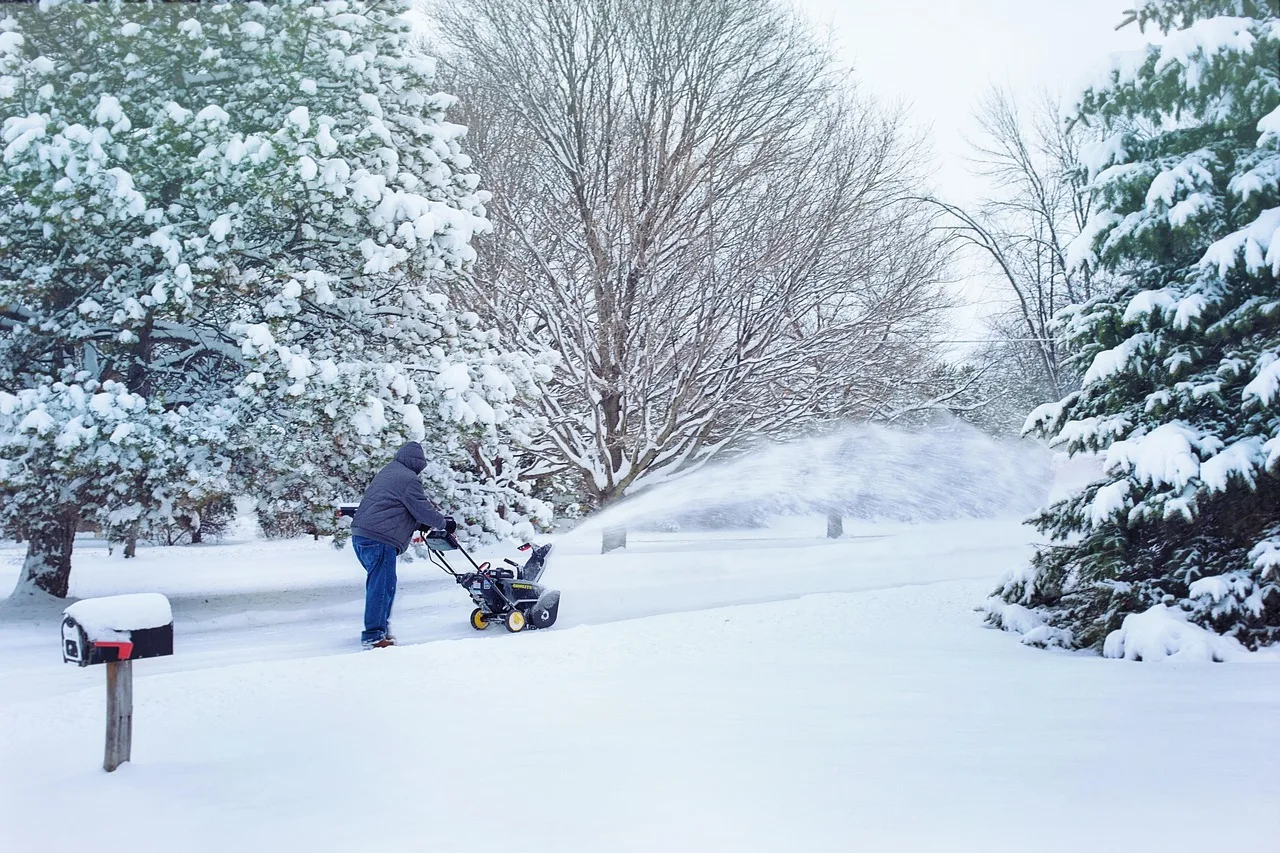
Older back lanes in Winnipeg and Saskatoon can go unplowed for days, and alley gates freeze shut. Fifteen minutes of quoted work becomes forty minutes of clearing.
A written junk removal standard procedure checklist holds the pre-arrival questions, the winter tool list and the access confirmation.
Regulators and winter gate hours you have to confirm
Three provinces, three rulebooks. Check both before quoting winter work in a new province.
Regulators and winter gate hours
| Province | Workplace safety | Environment | Winter gate hours |
|---|---|---|---|
| Alberta | Alberta OHS; WCB Alberta | Alberta Environment and Protected Areas, under the Environmental Protection and Enhancement Act | Calgary landfills: Shepard, East Calgary, Spyhill |
| Saskatchewan | Labour Relations and Workplace Safety; WCB | Saskatchewan Ministry of Environment, under the Environmental Management and Protection Act, 2010 | Saskatoon landfill, Valley Road |
| Manitoba | Manitoba Workplace Safety and Health; WCB | Manitoba Environment and Climate Change | Winnipeg: Brady Road and 4R depots |
Manitoba's Starting Smart business guidance sets out registration, tax and record keeping for a company working there.
A commercial cleanout may need a different receiving facility.
Truck and equipment prep before the first hard freeze
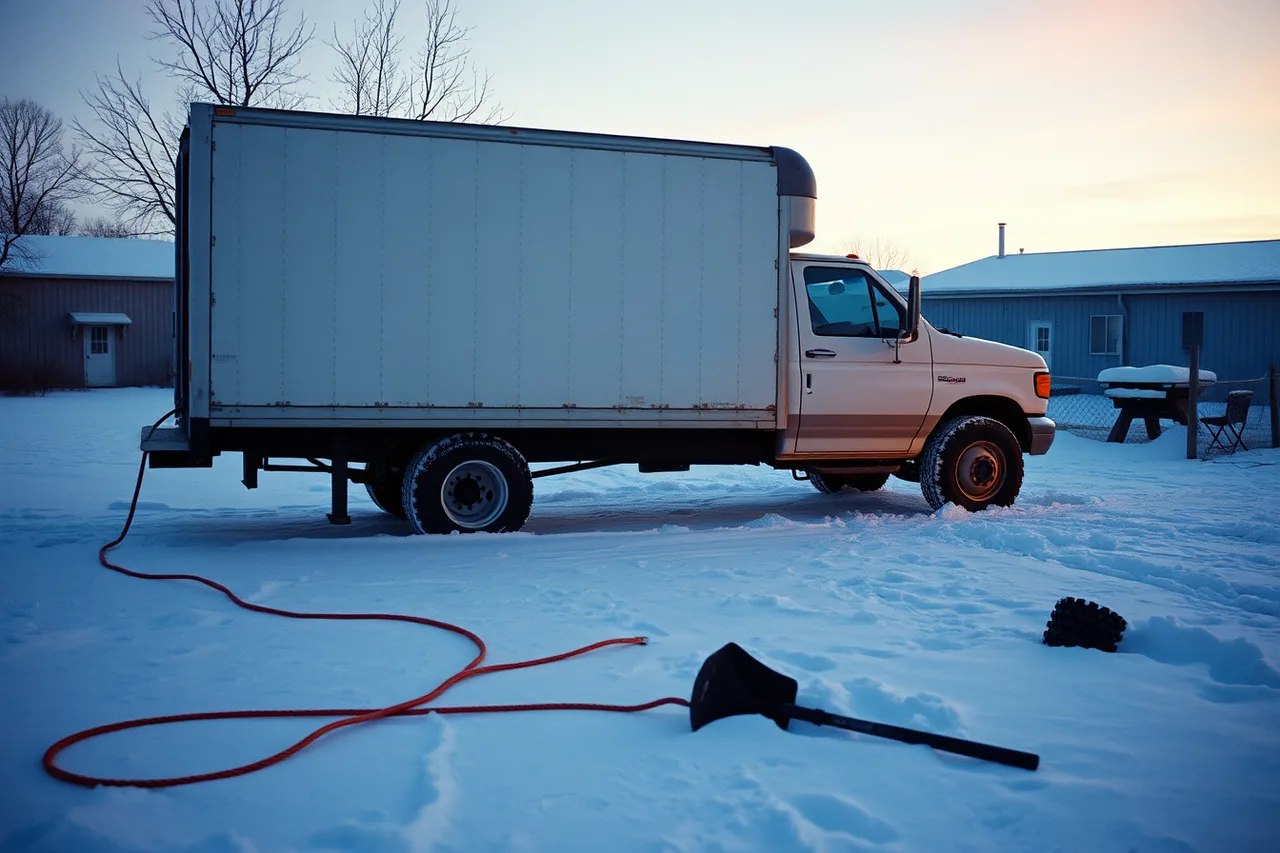
- Test the block heater cord and the yard outlet, and run the heater on a timer.
- Fit winter or severe snow rated tires and carry chains for rural routes.
- Switch to winter rated diesel where it is sold and keep the tank above half.
- Clear the box, ramps and tailgate of snow, then grit the lip.
- Pack shovels, an ice chisel, a pry bar, sleds and spare gloves.
The winter truck and equipment setup guide covers heated cab checks and frozen hydraulic lines.
A gelled fuel line in rural Manitoba means a long wait. Check the fuel filter weekly.
For commercial vehicles, Transport Canada's motor carrier rules cover vehicle condition, hours and driver duty. Winter makes those baselines harder to hold.
Scheduling around eight hours of usable light
Calgary gets chinooks and close to eight hours of light at the solstice. Saskatoon and Winnipeg sit further north and lose more.
Group jobs by quadrant: a northeast loop in Calgary, a west side run in Saskatoon, a St. Vital loop in Winnipeg. Fewer cross city moves mean fewer cold starts.
Book the heaviest items and the longest access walks first. Leave garage pickups for the afternoon.
Keep a weather threshold in writing. During a blowing snow warning, indoor and garage work only.
A load that misses an early gate becomes tomorrow's fuel cost.
Good junk removal job scheduling treats winter as its own season, with its own drive times and buffers.
Example: the fifteen minute pickup that takes forty five
Summer quote: 15 minutes on site. Winter reality: 8 minutes clearing a path, 12 minutes chipping a frozen sofa free, 10 minutes loading, 15 minutes of slower travel and scale time.
Price the forty five minutes, not the fifteen.
Pricing winter work from cycle time and tipping fees
Build the quote in four lines: travel, access, loading and disposal. Add thaw time where an item is frozen in.
Typical ranges crew report, not published rate cards. Site fees move with fuel and tonnage, so re-check them each season.
Pricing winter work
Calgary
- Commercial tipping per tonne
- CAD 130 to 160
- Small load minimum
- CAD 25 to 40
- Single item winter pickup
- CAD 175 to 275
Saskatoon
- Commercial tipping per tonne
- CAD 100 to 130
- Small load minimum
- CAD 25 to 40
- Single item winter pickup
- CAD 150 to 250
Winnipeg
- Commercial tipping per tonne
- CAD 110 to 140
- Small load minimum
- CAD 30 to 60
- Single item winter pickup
- CAD 150 to 250
Tax treatment differs by province. Quoting a Canadian job with GST or HST shows how to list the fee lines so the customer sees where the money went.
Cold weather crew safety and lifting
Cold muscles tear more easily and grip fails when hands go numb. Warm up in a heated cab before the first lift.
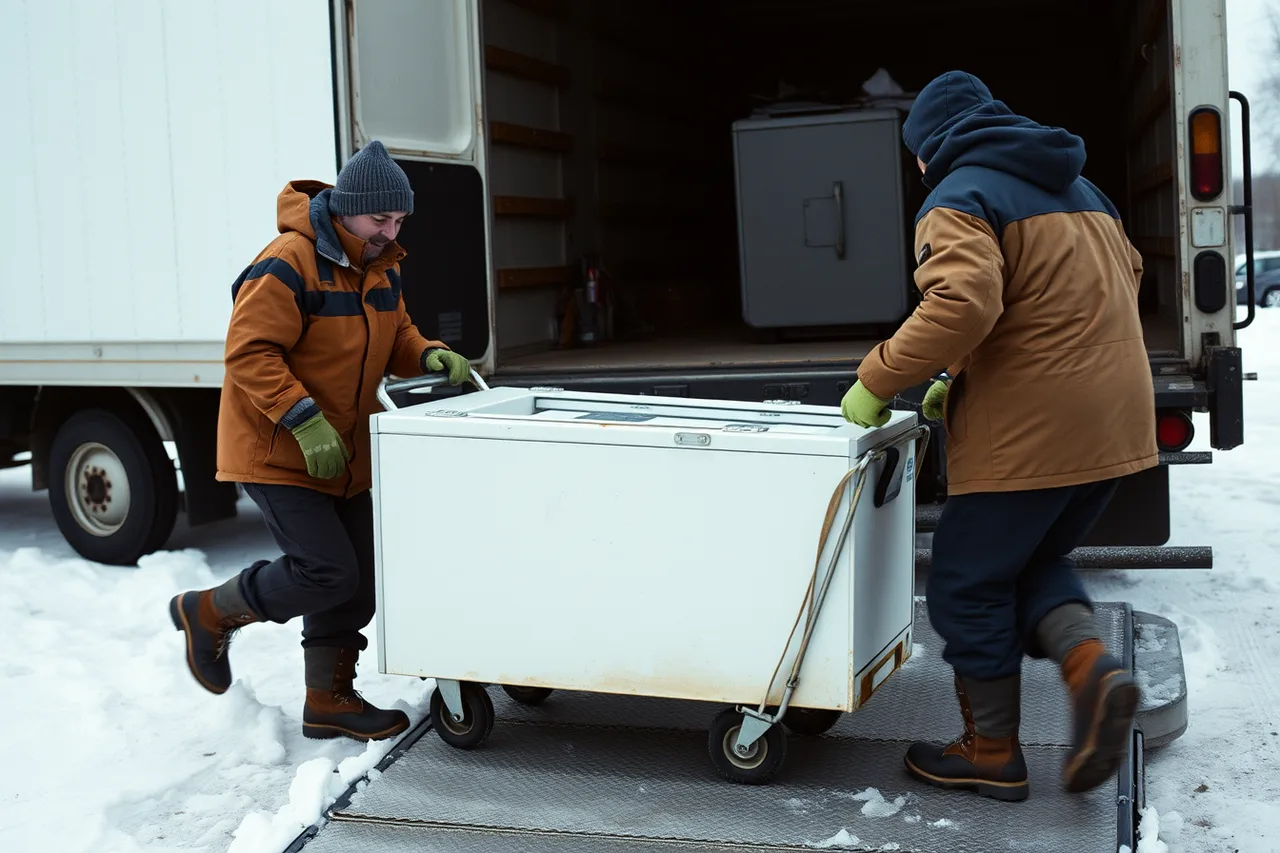
Use the CCOHS ergonomics guidance as a baseline and adjust it for cold. Slipping is the main risk, so grit the ramp and tailgate.
Alberta OHS, Saskatchewan's labour ministry and Manitoba Workplace Safety and Health expect employers to assess cold and lifting hazards. Write the winter procedure down.
Common questions
How does a crew free an item frozen to the ground?
Break the bond with an ice chisel and pry bar, clear the snow, and bill the thaw time.
Do Calgary, Saskatoon and Winnipeg need different winter schedules?
Yes. Calgary has more light and chinooks; Saskatoon and Winnipeg run colder and darker. Each city sets its own gate hours.
What must be documented for Alberta OHS or Manitoba Workplace Safety and Health?
A hazard assessment covering cold, ice and lifting, plus training records. Both regulators expect it to match the work done.