Guides
How to sign off a junk removal employee's training
Signing off junk removal employee training: who counts as an observer, what the sheet records, how to run the ride-along and what to say when an item fails.
What to take away
- A sign-off is a record that a named person watched one item done correctly, on a real job, on a given date.
- Observation means seeing the new person do the work. Asking whether they know how is not a sign-off.
- The ride-along comes last, on a job the new person was not warned about.
- A failed item is named as a behavior with a re-check date. Vagueness is the unkind option.
What counts as observed
An item counts as observed when the observer saw the new person do it from start to finish, on a real job or a real staircase. A demonstration by someone else is training. Only the new person doing it in front of a witness earns a signature.
Choose the observer by rule, not by who happens to be free. The owner or a lead who has done the task can sign. Another new hire cannot, because neither of them yet knows what correct looks like on this crew.
Items that involve judgment need more than one sighting. Calling a truck full by weight, or restating the price calmly, can look right once by luck. Watch it on several jobs before the line is signed.
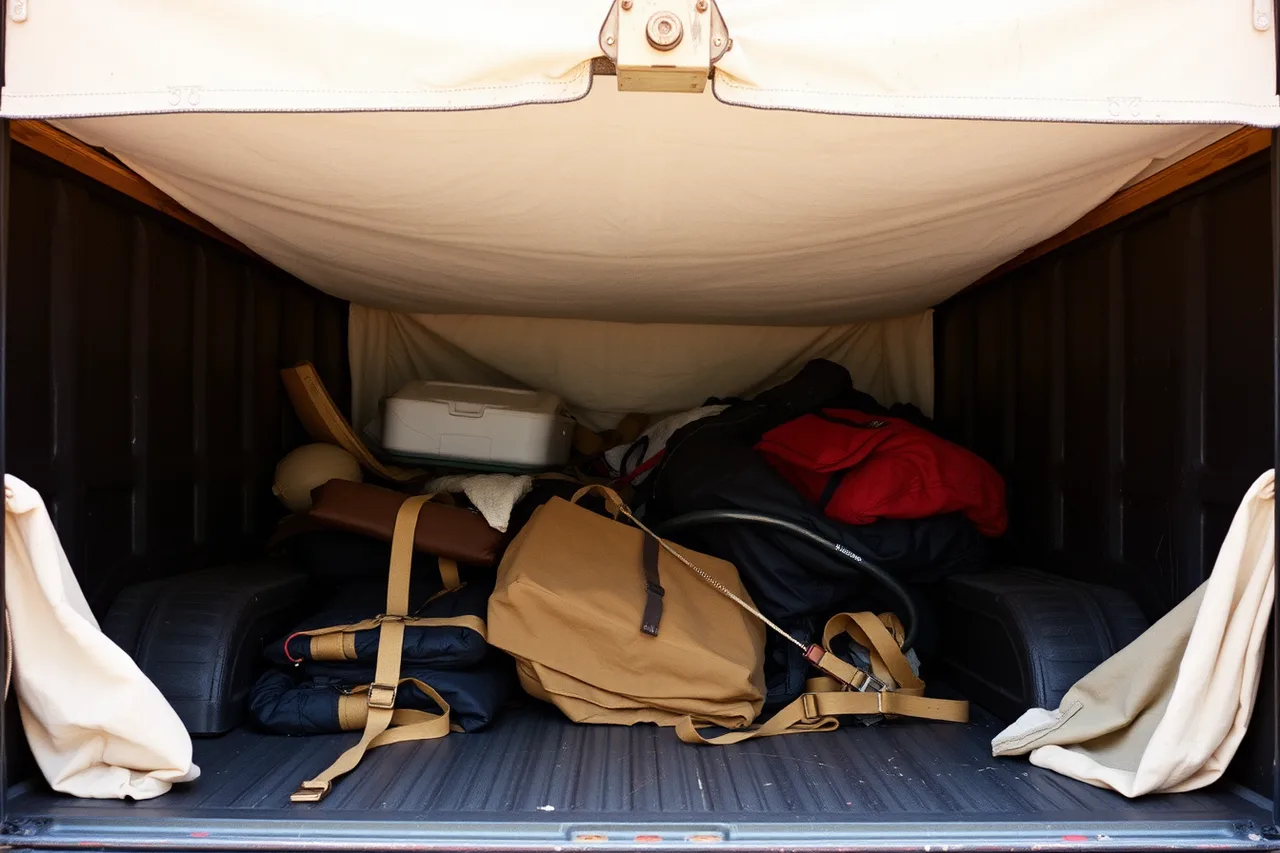
Securement is the item where a shortcut has consequences beyond a customer complaint. Observe it on real loads, and watch the strapping and tarping as well as the finished result.
What the sign-off sheet records
The sheet needs six fields on every line, and each one closes a specific loophole. A line missing any of them is a tick nobody can defend later, so treat an incomplete line as unsigned.
| Field | What goes in it | What goes wrong without it |
|---|---|---|
| Item | One behavior in plain words | A vague item cannot be observed |
| Observer | The full name of the person who watched | A tick nobody observed is a record of nothing |
| Date | The day it was seen | A gap cannot be placed before or after a change |
| Job | The booking the item was seen on | The sign-off floats free of real work |
| Result | Signed, or re-check with a date | Partial work gets read as done |
| Version | The date of the checklist used | Nobody can say which standard was taught |
Before the month ends, run this check over the whole sheet:
- Every line carries an observer's full name and a date.
- No line was signed by the person it describes.
- Every re-check has a date attached.
- The version date is written at the top.
Running the ride-along
The ride-along tests judgment, which no list of items can rehearse. Pick the job so that the new person meets something they were not told to expect, then stay quiet unless a stop condition is reached.
- Choose a job nobody warned the new person about, so the day tests judgment rather than rehearsal.
- Tell them beforehand that the observer will not step in unless a stop condition is reached.
- Let them restate the price and exclusions at the door, and note how they handle a change in scope.
- Write down behaviors as they happen, in plain words, without ratings.
- Hold the debrief the same day, while the job is fresh.
The stop conditions are the ones the person signed on day one, and they sit inside the daily procedures. An owner who wants a scored version of the day can borrow the ride-along method from the job-by-job quality audit.
When an item does not pass
Name what you saw, not what you think of the person. "Did not restate the price before lifting, twice" can be fixed by Friday. "Not customer-focused" cannot be fixed at all.
Set a date for the re-check and say plainly what happens if nothing changes. Vagueness at this point is unkind to everybody, including the crew member who is guessing where they stand.
A failed line is also evidence. If the same behavior later shows up as a complaint, the signed sheet is the first thing you open, and the damage claim process shows what happens to a complaint after that.
Where the same gap appears across every new hire, the problem is the checklist. Fix the training once instead of failing each person in turn.
Paid time and equal treatment
Sign-off sessions are working time. Under the Department of Labor's hours worked rules, training is excluded only if it meets four criteria for training time: outside normal hours, voluntary, not job related, and no other work done at the same moment. Required first-month training meets none of them.
How paid training hours feed into your cost per hour is worked through in the article on pay rates and labor costs.
Give every new hire the same sheet, the same observer standard and the same questions. The EEOC's Small Business Resource Center answers common questions about a small employer's responsibilities under the federal employment discrimination laws, and consistency is far cheaper to build in than to reconstruct afterwards.
Keeping the sheet honest
Change the checklist when a job goes wrong, not on a schedule. Write one line saying what happened and date the new version, so every signed sheet points at the standard it was measured against.
The refusal list is the line to re-date first, because its consequences sit outside the business. Where the list comes from and how to keep it current is in the licensing and compliance guide.
Ask each person at the end what the training missed, and write the answer down. New people notice what the document assumed and never said. The wider arc this sheet sits inside is in the hiring and training guide.
Common questions
Can a new hire sign off another new hire?
No. Neither has seen enough jobs to know what correct looks like on this crew. A named owner or lead signs, and the sheet shows their name.
What if the owner is the only observer?
Then the owner's name goes on every line. The rule is a named person who watched, not a particular job title.
Is a photograph enough to sign an item?
A photograph records the result. It does not show how the work was done, so it supports a signature without replacing the observer.
What happens to items still unsigned at the end of the month?
They become a conversation, not a formality. Name the gap, set the re-check date, and keep the signed lines as they are.
How long should the signed sheets be kept?
Keep them. They are the evidence that a standard existed and was taught, and the only way to tell a person problem from a training gap.